Table of Contents
- What Makes a High Quality RV Resort
- RV Resort Amenities Checklist: What Separates Premium Properties
- Monthly RV Site Rates and Utilities: Understanding True Costs
- Maintenance, Reliability, and Site Conditions
- Questions to Ask Before Booking an RV Park
- Long-Term RV Park Living: Comfort and Community
- Location, Accessibility, and Local Services
- Frequently Asked Questions
Last Updated: October 21, 2026
What Makes a High Quality RV Resort
When you're planning an extended stay or looking for a reliable base while traveling through Texas, the difference between an ordinary RV park and a high quality RV resort comes down to a handful of critical factors. A high quality RV resort combines well-maintained infrastructure, thoughtful amenities, responsive management, and a genuine commitment to guest comfort.
The foundation of any quality resort is reliability. Water systems that flow consistently, electrical service that doesn't fluctuate, sewage connections that function without backup, these basics matter more than any fancy feature. Yet many parks overlook them.
What follows is a practical guide to evaluating RV resorts before you commit. We'll walk through the amenities that matter, the questions you should ask, and the red flags to watch for. By the end, you'll know exactly what to look for when choosing where to spend your next weeks or months.
RV Resort Amenities Checklist: What Separates Premium Properties
The amenities offered at an RV resort reveal whether management understands guest needs or simply views the property as a parking lot. A high quality RV resort goes beyond basic hookups to create an environment where guests actually want to spend time.
Full Hookups and Site Infrastructure
Full hookups mean water, sewer, and 30/50-amp electrical service at each site. But the quality varies dramatically. Some parks deliver consistent water pressure; others see it drop to a trickle during peak hours. Some maintain level sites year-round; others expect guests to shimmy and adjust endlessly.
When evaluating site infrastructure, check whether the resort offers pull-through or back-in sites, pull-throughs are faster to access and reduce stress for solo travelers. Ask about site width and length to ensure your rig fits comfortably. Level ground matters more than most guides mention. A site that's actually level saves your back, prevents water from pooling inside your RV, and reduces wear on appliances.
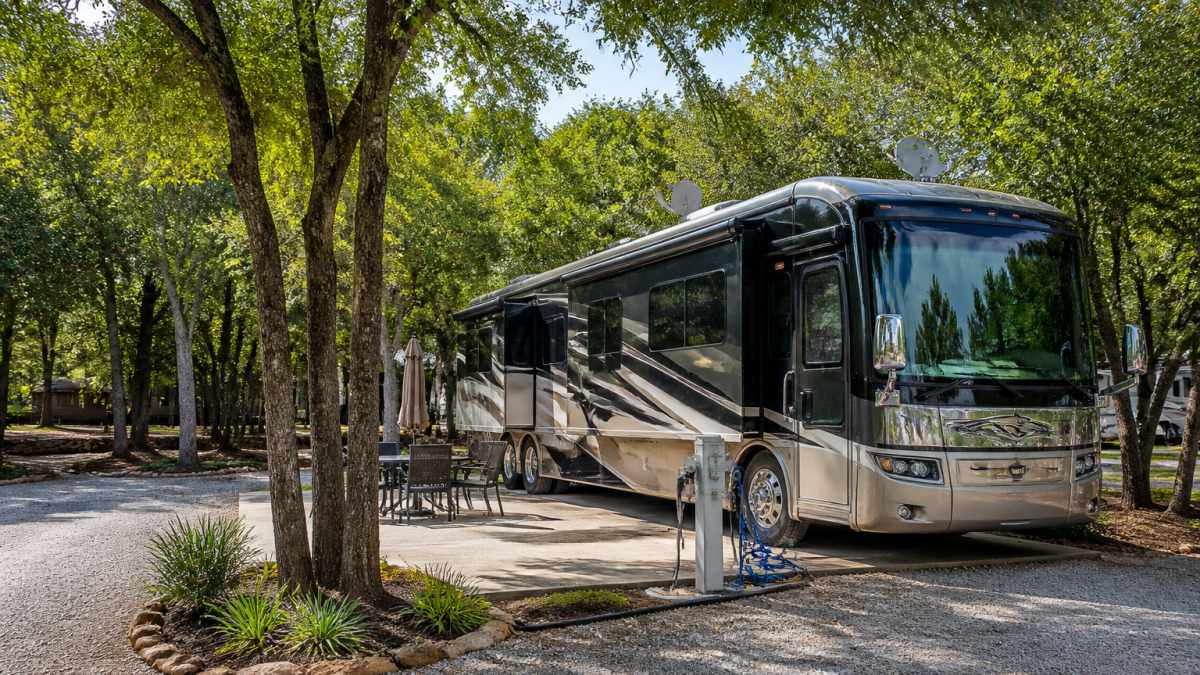
Concrete pads or gravel surfaces make a difference too. Concrete pads prevent mud, provide stability, and last longer. High quality RV resorts invest in these details because they reduce maintenance calls and guest complaints.
Guest Conveniences and Recreation
Beyond hookups, amenities signal whether a resort is designed for comfort or just revenue. A high quality RV resort typically includes:
- High-speed Wi-Fi that actually works (not just advertised)
- Laundry facilities with modern, well-maintained machines
- Shower houses for those without private bathrooms
- Covered pavilions for gatherings or bad weather
- Dog parks or pet exercise areas with real space
- Fitness facilities or access to nearby gyms
- Recreational activities suited to the community
The dog park deserves special mention. Many resorts claim to have one but deliver a tiny fenced area barely larger than a closet. A genuine dog park has room for dogs to run, separate areas for different sizes, and regular maintenance.
Wi-Fi quality separates resorts that understand modern travelers from those that don't. If you're working remotely or streaming content, unreliable internet turns a peaceful retreat into a frustrating experience. Ask specifically about bandwidth, not just whether Wi-Fi is available. Some resorts offer speeds that can barely handle email; others provide fiber-level performance.
Monthly RV Site Rates and Utilities: Understanding True Costs
Monthly RV site rates and utilities require careful comparison because what looks affordable upfront may hide unexpected charges. Understanding the true cost structure prevents frustration later.
A high quality RV resort typically includes utilities in monthly rates or clearly separates them. Some properties offer a set monthly fee with utilities included; others charge a base rate plus metered electricity.
Electricity inclusion matters significantly for long-term stays. Many guests don't realize how much power an RV consumes during extended occupancy, air conditioning, heating, and appliances add up quickly.
The Weatherford area experiences hot summers and mild winters, so cooling costs can be substantial. Inquire whether the monthly rate covers unlimited electricity or if there's a cap.
Ancillary fees, trash removal, facility maintenance, pet fees, guest parking, should be disclosed upfront. The most transparent resorts list everything on their website or provide a complete fee schedule during inquiry.
Maintenance, Reliability, and Site Conditions
This is where many resorts fail. A high quality RV resort maintains its property visibly and addresses problems quickly. You can assess maintenance standards by observation:
Walk the grounds and look for these signs of quality management: trimmed vegetation, clean roads free of debris, well-lit pathways, functional facilities, and fresh paint or stain on structures. Neglected properties show overgrown landscaping, potholes, non-functional amenities, and visible decay.
Ask the manager how they handle maintenance requests. The best resorts have a system, online portal, phone line, or in-person office, where guests can report issues and track resolution. A property where the manager doesn't know about a broken shower or leaking faucet signals poor communication.
Water quality and pressure consistency are non-negotiable. Some parks have aging infrastructure that can't handle peak usage. Ask if the resort has upgraded their water and sewer systems recently. Newer systems mean fewer emergencies and better flow rates.
Electrical service reliability directly impacts your RV's systems. Voltage fluctuations can damage appliances and electronics. A quality resort maintains proper voltage and has backup systems if something fails. Ask whether they've had outages in the past year and how they were handled.
Questions to Ask Before Booking an RV Park
Before committing to any stay, ask these questions directly. The answers reveal whether you're dealing with a high quality RV resort or cutting corners:
- What's your cancellation policy, and how flexible are short-term stays? (Critical if you're only staying 3 weeks)
- Are sites actually level, or will I need to use leveling blocks?
- What's included in the monthly rate, and what costs extra?
- How long does maintenance typically take to respond?
- Do you have backup power systems for outages?
- Can I see current guest reviews or speak with someone currently staying here?
- What's your pet policy, and how large is the dog park?
- Is Wi-Fi speed consistent, or does it slow during peak hours?
- What's the turnover rate, do long-term guests stay or leave quickly?
The last question matters more than it sounds. If guests leave after a month or two, something's wrong. If people stay for years, the resort is doing something right.
Long-Term RV Park Living: Comfort and Community
Extended RV living requires more than just a place to park. A high quality RV resort creates an environment where long-term residents feel at home and build genuine connections.
The best resorts foster community through common spaces and management that knows residents by name. For someone relocating to the Weatherford area, this social fabric can ease the transition significantly.
Furnished cabin options at a high quality RV resort provide an alternative for guests who want to avoid towing or setup entirely.
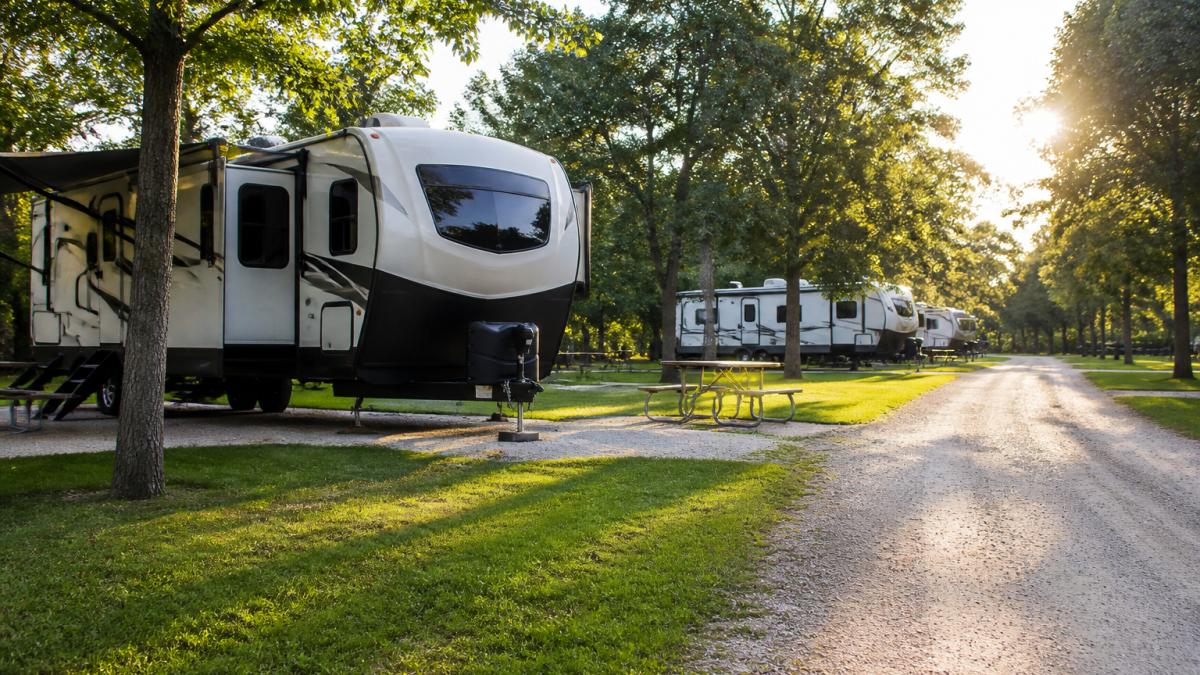
A quiet, peaceful setting is essential for long-term comfort. Resorts with wooded sites, natural landscaping, and limited through-traffic feel more like home than sprawling asphalt lots.
For those relocating for work, proximity to employment matters. A resort near Weatherford with easy highway access saves time and stress. Ask about distance to major employers, schools, and services.
Location, Accessibility, and Local Services
The location of a high quality RV resort shapes the entire experience.
Evaluate accessibility carefully. Can you reach the property easily with a large RV, or does the route include tight turns and low-clearance bridges? Some scenic routes look good on a map but become nightmares when towing.
Proximity to grocery stores, pharmacies, hospitals, and restaurants matters for extended stays. A high quality RV resort near Weatherford provides convenient access to these essentials without requiring long drives.
Local attractions and outdoor recreation add value. The Weatherford area offers hiking, parks, and community events that enhance long-term stays. A resort that can recommend local activities and provide information about the community demonstrates genuine hospitality.
Road conditions and weather exposure affect comfort. Ask how the property handles heavy rain, wind, and seasonal weather. Elevated sites with good drainage prevent flooding.
Choosing the right RV resort is one of the most important decisions you'll make as a traveler or temporary resident. A high quality RV resort combines reliable infrastructure, thoughtful amenities, responsive management, and a genuine commitment to guest wellbeing.
Frequently Asked Questions
What amenities should a high-quality RV resort have?
Premium RV resorts provide full hookups (water, sewer, electric), level sites, and reliable utilities. Beyond basics, look for high-speed Wi-Fi, laundry facilities, clean restrooms and shower houses, on-site dog parks or pet areas, and a peaceful environment. Many quality resorts also offer furnished cabin rentals, activity areas, and customer service that responds to maintenance issues promptly. The best resorts combine practical infrastructure with amenities that make extended stays comfortable and convenient.
What does a full-hookup RV site include?
A full-hookup site provides three essential utilities: water, sewer, and electric connections. Water hookups supply fresh water for daily use; sewer connections handle waste disposal; electric hookups provide 30-amp or 50-amp power for appliances and climate control. Quality resorts ensure these hookups are functional and accessible, with level sites that prevent water or waste drainage problems. Some premium properties include utilities in their monthly rates or offer discounts on electric usage, which significantly reduces your total cost of stay.
How can I compare monthly RV park rates and utility costs?
Request detailed pricing breakdowns that separate base rent from utility costs. Ask whether electricity, water, or sewage are included, capped, or metered separately. Inquire about seasonal rate changes and any additional fees for pets, Wi-Fi, or amenities. Compare the total monthly cost across properties rather than base price alone, since included utilities can save $50-$100 monthly. Ask about cancellation policies and minimum stay requirements, as these affect true affordability for shorter relocations or temporary stays.
What questions should I ask before booking a monthly RV site?
Ask about site-specific details: Is it level? Is it shaded? What are the exact hookup specifications and condition? Confirm utility reliability and what happens if water or electric fails. Ask about maintenance response times and how issues are reported. Clarify cancellation flexibility if your plans change. Inquire about long-term discounts, included amenities, and pet policies. Request references from current monthly residents. Ask about the resort's Wi-Fi speed and coverage, and whether furnished cabins or RV-in-place options are available if you want alternatives to towing.
How important is location and accessibility for an RV resort?
Location directly affects your quality of life during a stay. A resort near essential services, grocery stores, medical facilities, fuel stations, saves time and money. Proximity to employment, if relocating for work, is critical for long-term stays. Good road access reduces towing stress for arrivals and departures. Peaceful, wooded settings appeal to those seeking relaxation, while properties near attractions suit travelers. Verify that local roads can accommodate RV traffic and that the resort is accessible year-round without seasonal closures that might disrupt your plans.
What's the difference between an RV park and an RV resort?
An RV park typically offers basic hookups and parking spaces with minimal amenities. An RV resort provides full hookups plus premium facilities like Wi-Fi, laundry, recreation areas, dog parks, and often furnished cabin rentals. Resorts typically maintain higher standards for site conditions, landscaping, and customer service. Many resorts offer flexible stay options including nightly, weekly, and monthly rates, plus RV-in-place rentals that eliminate towing. Resorts cater to those seeking a home-like experience, while parks serve transient travelers needing functional parking.
Why do high-quality RV resorts cost more than basic parks?
Premium resorts invest in site maintenance, utility reliability, landscaping, and staff availability. Amenities like high-speed Wi-Fi, dog parks, laundry facilities, and furnished cabins add operational costs. Better-maintained sites experience fewer drainage or leveling problems, reducing frustration and repair expenses for residents. Quality resorts respond quickly to maintenance issues and provide customer service beyond basic operations. Included utilities or discounted electric rates often offset higher base prices. For long-term stays, the comfort and reliability justify the cost by eliminating stress and unexpected problems.
Is an RV resort suitable for long-term relocation?
Yes, quality RV resorts are excellent for long-term relocation, especially for temporary work assignments or transitions. Look for resorts offering furnished cabins or RV-in-place options that feel like home without towing hassles. Monthly rates with included utilities simplify budgeting. Reliable Wi-Fi supports remote work. Pet-friendly amenities and community spaces create a sense of belonging. Confirm flexible cancellation policies in case your timeline changes. Many residents stay 3-12 months while building new homes, completing work projects, or exploring a new area before committing to permanent housing.