When I first started RVing, I quickly learned that cold weather brings its own set of challenges. One of the biggest hassles? Dealing with freezing water lines and chilly water that makes simple tasks like washing dishes or filling a cup uncomfortable. That’s when I discovered the magic of heated RV hoses. These hoses have transformed my camping experience, especially during the colder months. If you want to enjoy your time outdoors without worrying about frozen water or icy taps, keep reading. I’ll share why heated RV hoses are a must-have, how they work, and practical tips to get the most out of them.
Why Heated RV Hoses Make a Difference
Imagine waking up on a crisp morning, stepping outside your cozy RV, and turning on the water only to be greeted by a stream of icy cold water. It’s not just uncomfortable; it can also make simple chores feel like a chore. Heated RV hoses solve this problem by keeping your water supply warm and flowing smoothly, no matter how low the temperature drops.
These hoses have built-in heating elements that gently warm the water as it travels through the hose. This means no more frozen pipes or waiting for water to warm up inside your RV. The warmth helps prevent damage to your plumbing system caused by freezing, which can save you costly repairs down the road.
Plus, heated hoses are designed with durable, food-grade materials that ensure your drinking water stays safe and fresh. This is especially important when you’re relying on your RV’s water supply for cooking, drinking, and cleaning.
How Heated RV Hoses Work and What to Look For
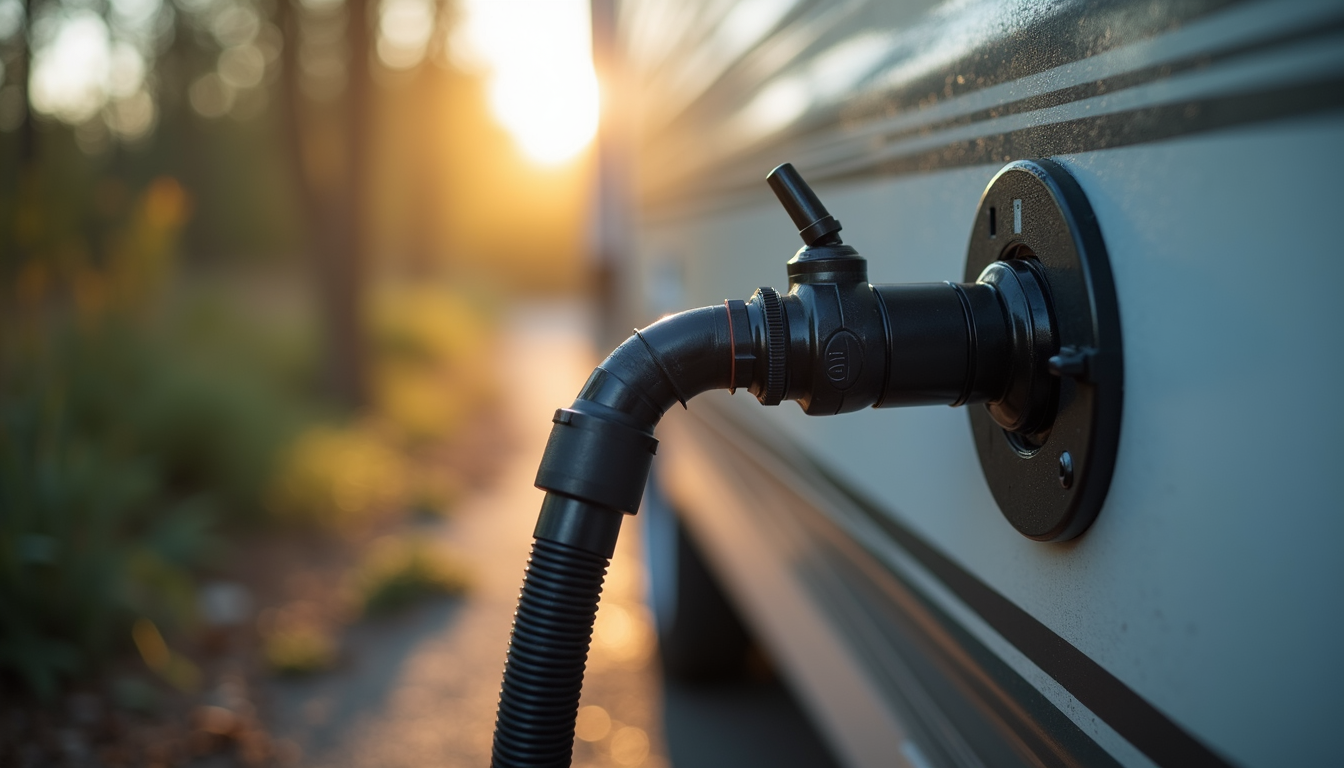
Understanding how these hoses work can help you choose the right one for your needs. Inside the hose, a low-voltage heating wire runs along the length, powered by your RV’s electrical system or an external power source. This wire gently warms the water and prevents freezing, even in sub-freezing temperatures.
When shopping for a heated RV hose, consider these key features:
Length and flexibility: Choose a hose long enough to reach your water source comfortably but flexible enough to coil and store easily.
Power source: Some hoses plug into a standard 120V outlet, while others can connect to your RV’s 12V system. Make sure the power option fits your setup.
Temperature control: Some models come with thermostats that automatically turn the heating element on or off based on the temperature, saving energy.
Durability: Look for hoses made with UV-resistant and kink-resistant materials to withstand outdoor conditions.
Certification: Ensure the hose is certified safe for drinking water to protect your health.
Using a heated hose is simple. Just connect it to your water source and power it up. The hose will maintain a steady temperature, so you can enjoy warm water anytime without worrying about freezing.
Are Heated Water Hoses Worth It?
I know what you might be thinking - are heated water hoses really worth the investment? From my experience, the answer is a resounding yes. Here’s why:
Peace of mind: No more waking up to frozen pipes or dealing with water shutoffs during cold snaps.
Comfort: Warm water makes daily tasks like washing hands, cooking, and cleaning much more pleasant.
Protection: Prevents costly damage to your RV’s plumbing system caused by freezing and bursting pipes.
Convenience: Easy to use and maintain, with many models featuring automatic temperature control.
Extended camping season: With a heated hose, you can comfortably camp in colder weather without sacrificing water access.
If you enjoy winter camping or live in an area with chilly nights, a heated hose is a smart addition to your RV gear. It’s a small investment that pays off in comfort and convenience.
Practical Tips for Using Heated RV Hoses
To get the most out of your heated RV hose, here are some tips I’ve picked up along the way:
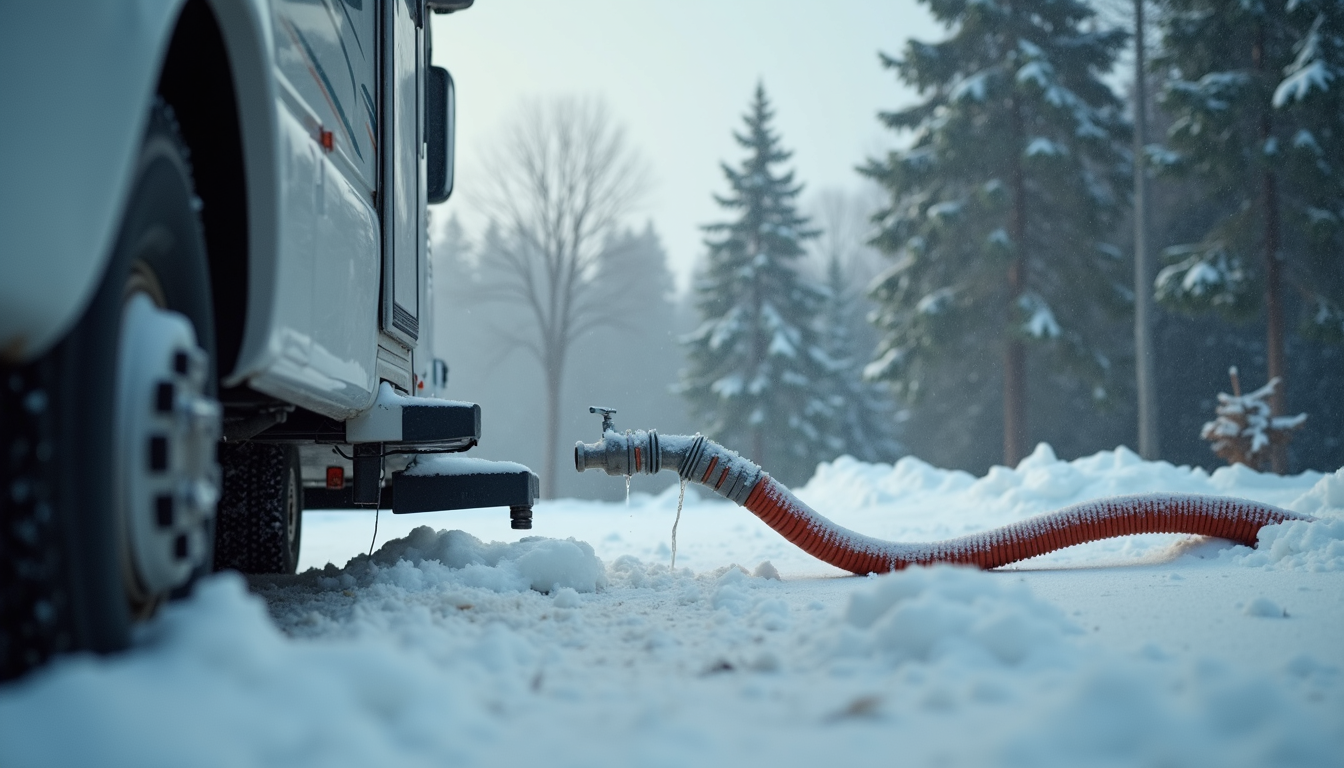
Use a hose cover or insulation: Even though the hose is heated, adding an extra layer of insulation can improve efficiency and reduce power consumption.
Check connections regularly: Make sure all fittings are tight and secure to prevent leaks.
Store properly: When not in use, coil your hose loosely and store it in a dry place to avoid damage.
Monitor power usage: If your hose has a thermostat, it will help save energy. If not, consider unplugging it when temperatures rise above freezing.
Combine with other winterizing tools: Use alongside RV skirting or heated water tanks for full protection against cold weather.
By following these simple steps, you’ll keep your water flowing smoothly and your RV cozy all season long.
Enhancing Your RV Experience with Cozy Hill
At Cozy Hill, we understand how important it is to enjoy nature without sacrificing comfort. That’s why we offer not only premium short-term and long-term RV and cabin rentals but also a range of products and services designed to enhance your stay. Our fragrance packages add a warm, inviting scent to your space, making your RV feel like a true home away from home.
If you’re planning a trip during the cooler months, consider adding a heated drinking water hose for rv to your rental package. It’s a simple upgrade that makes a big difference in your comfort and convenience.
Whether you’re soaking in the crisp mountain air or enjoying a quiet lakeside retreat, having reliable, warm water at your fingertips lets you focus on what really matters - relaxing and connecting with nature.
I hope this guide helps you see the value of heated RV hoses and inspires you to try one on your next adventure. Staying warm and hydrated is easier than ever with the right gear, and Cozy Hill is here to support your journey every step of the way. Happy camping!