When you’re out enjoying the open road, nothing beats the feeling of fresh air, scenic views, and the freedom to explore. But one thing you don’t want to worry about is the quality of your water. Whether you’re parked at a cozy hilltop cabin or nestled in a quiet RV park, having clean, safe water is essential for your comfort and health. That’s where RV water filters come in. They help ensure every sip, shower, and dishwashing moment is fresh and pure.
In this post, I’ll walk you through everything you need to know about RV water filters. From how they work to choosing the right micron size, I’ll share practical tips and insights to help you enjoy your travels with peace of mind.
Why RV Water Filters Matter for Your Adventure
Water quality can vary widely depending on where you park your RV. Some campgrounds have excellent water systems, while others might have water that tastes off or contains sediments and contaminants. Using an RV water filter is a simple way to protect yourself from unpleasant tastes, odors, and potential health risks.
Imagine filling your glass with crystal-clear water that tastes fresh and clean. Or stepping into your shower and feeling the water soothe your skin without any strange smells or residues. That’s the kind of comfort a good water filter provides.
Here are some key benefits of using RV water filters:
Improved taste and odor: Filters remove chlorine and other chemicals that can make water taste or smell unpleasant.
Protection from sediments: Sand, rust, and dirt can clog your pipes and damage appliances. Filters catch these particles before they enter your system.
Health safety: Some filters reduce bacteria and cysts, giving you safer water for drinking and cooking.
Extended equipment life: Clean water means less wear and tear on your RV’s plumbing and appliances.
By investing in a quality RV water filter, you’re not just improving your water—you’re enhancing your entire travel experience.
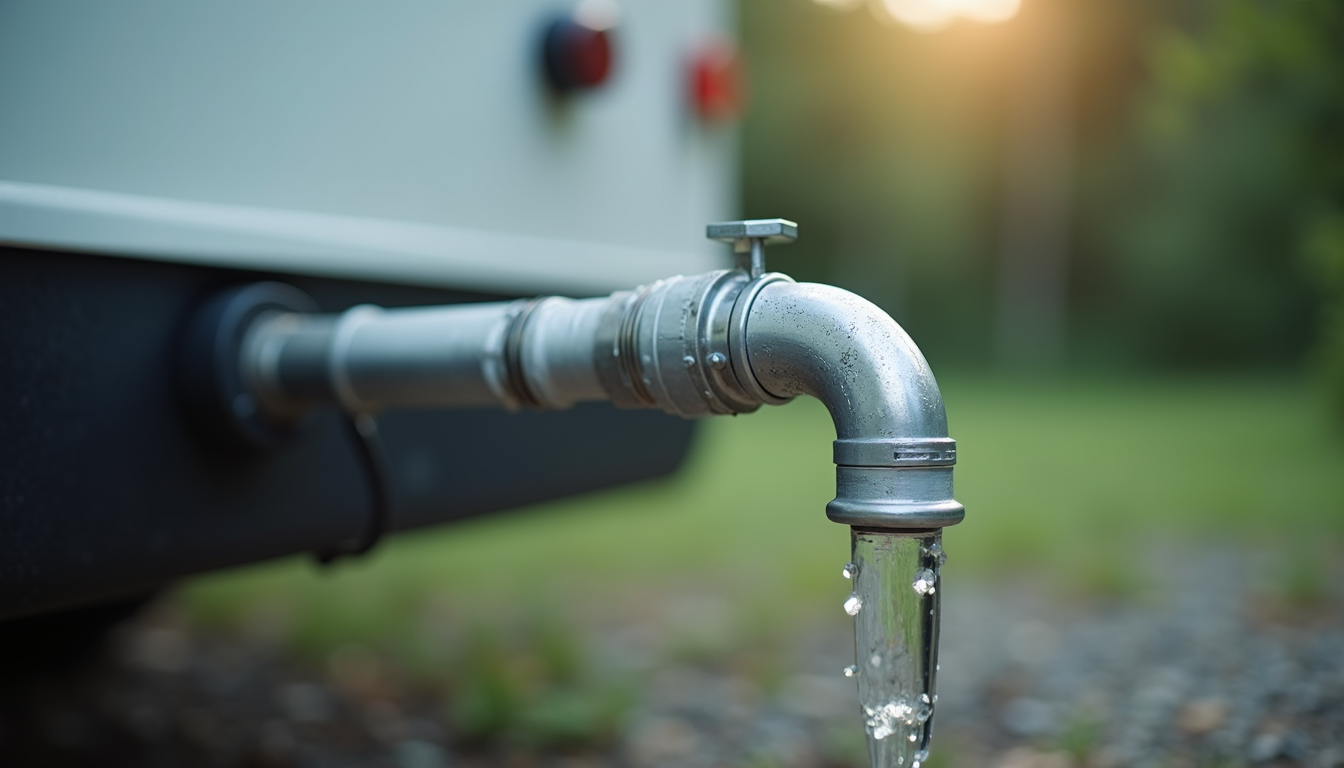
Choosing the Right RV Water Filters for Your Needs
When it comes to selecting RV water filters, there are several types and features to consider. The right choice depends on your travel style, water sources, and personal preferences.
Types of RV Water Filters
Inline Filters
These attach directly to your water hose or RV’s water inlet. They’re easy to install and provide basic filtration, usually removing sediments and chlorine.
Under-Sink Filters
Installed inside your RV, these filters treat water right before it reaches your faucet. They often offer more advanced filtration, including carbon filters for taste and odor.
Portable Water Filters
Great for hikers or those who want to filter water on the go. These are usually smaller and designed for emergency use or outdoor activities.
Whole RV Filtration Systems
These are more comprehensive setups that filter all water entering your RV. They often combine multiple filter stages for thorough purification.
What to Look for in a Filter
Micron rating: This tells you the size of particles the filter can remove. Smaller micron ratings mean finer filtration.
Filter lifespan: Check how often the filter needs replacement. Some last a few months, others up to a year.
Flow rate: Make sure the filter doesn’t slow down your water flow too much.
Ease of installation and maintenance: Choose filters that are simple to install and replace.
By matching your filter to your needs, you’ll enjoy clean water without hassle.
What is better, 1 micron or 5 micron?
One of the most common questions I get is about micron ratings. What’s better: a 1 micron filter or a 5 micron filter? The answer depends on what you want to remove from your water.
Understanding Micron Ratings
A micron is a unit of measurement that describes the size of particles a filter can trap. The smaller the micron number, the finer the filtration.
1 Micron Filters
These filters catch very small particles, including some bacteria and cysts. They’re excellent for ensuring very clean water but may reduce water flow slightly faster and require more frequent changes.
5 Micron Filters
These are good for removing larger particles like sand, rust, and sediment. They usually allow better water flow and last longer but won’t catch the tiniest contaminants.
Which Should You Choose?
If you’re mostly concerned about sediment and improving taste, a 5 micron filter is often sufficient. It’s a great balance between filtration and flow rate.
If you want extra protection against bacteria or microscopic particles, a 1 micron filter is better. However, you might need to replace it more often and monitor water pressure.
Many RVers use a combination: a 5 micron pre-filter to catch large particles, followed by a 1 micron filter for finer purification. This layered approach offers the best of both worlds.
Installing and Maintaining Your RV Water Filters
Installing your RV water filter doesn’t have to be complicated. Most filters come with clear instructions, and with a few simple tools, you can have clean water flowing in no time.
Installation Tips
Choose the right spot: Inline filters usually go between your water source and RV inlet. Under-sink filters go under the faucet.
Use Teflon tape: Wrap the threads of fittings to prevent leaks.
Check for leaks: After installation, turn on the water slowly and inspect all connections.
Keep spare filters: It’s smart to have replacements on hand, especially for longer trips.
Maintenance Tips
Replace filters regularly: Follow the manufacturer’s guidelines. A clogged filter can reduce water flow and effectiveness.
Flush the system: Occasionally run water through the filter to clear out trapped particles.
Store filters properly: If you’re not using your RV for a while, remove and store filters in a dry place.
Regular maintenance keeps your water tasting fresh and your system running smoothly.
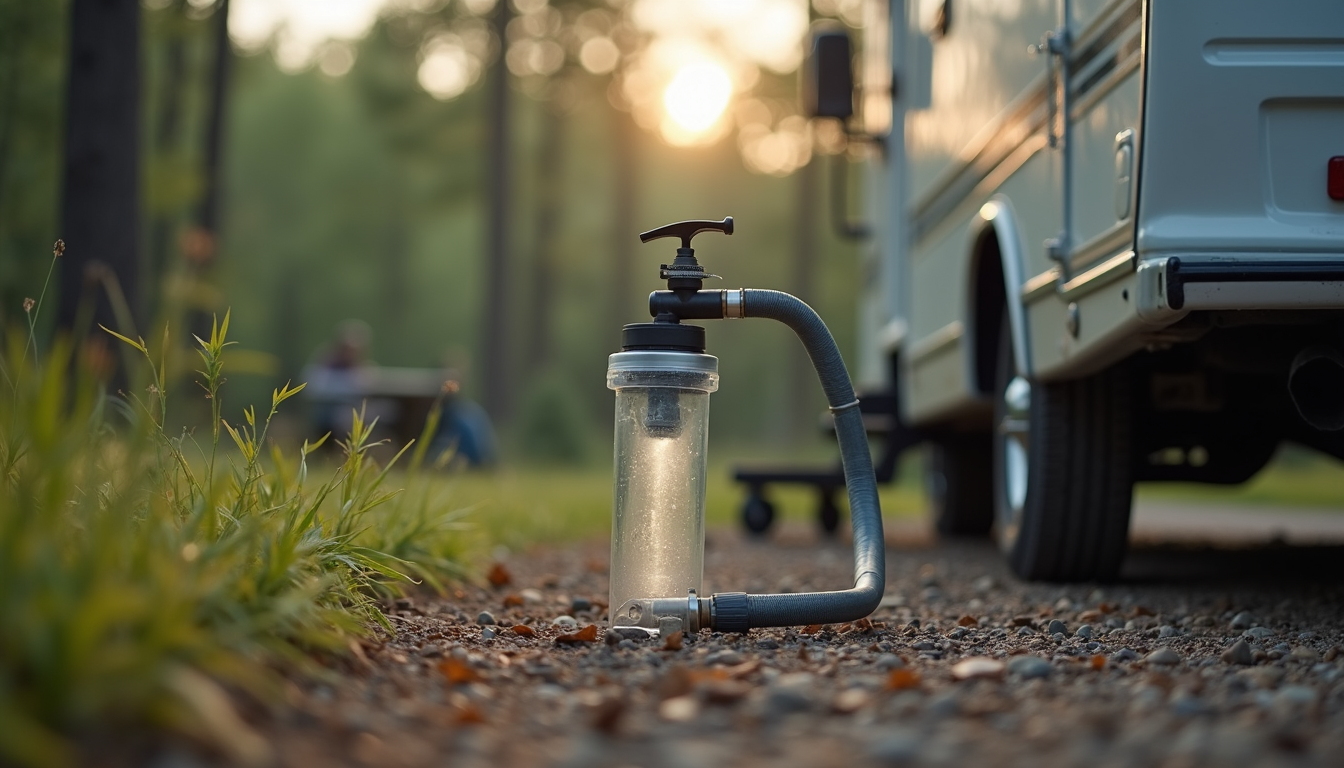
Enhancing Your Stay with Clean Water and Cozy Extras
Clean water is just one part of making your RV or cabin stay comfortable and relaxing. At Cozy Hill, we want you to enjoy every moment surrounded by nature without worrying about the little things.
Along with providing top-notch rv filtration systems, we offer a fragrance package that fills your space with soothing scents, creating a warm and inviting atmosphere. Imagine coming back from a day of hiking to the gentle aroma of lavender or pine, enhancing your sense of calm.
Whether you’re here for a short-term getaway or a longer stay, these thoughtful touches make your experience truly special. Clean water, fresh air, and cozy comforts come together to help you unwind and recharge.
Making the Most of Your Water Quality on the Road
Water is life, especially when you’re traveling and living on the road. By understanding and investing in the right RV water filters, you’re taking a big step toward a healthier, more enjoyable adventure.
Remember these key points:
Always test your water source if possible.
Choose filters that match your needs and travel style.
Maintain your filters regularly for best performance.
Consider combining filtration with other comfort-enhancing services.
With these tips, you can sip, cook, and shower with confidence, knowing your water is clean and safe. So pack your bags, fill your tank, and get ready to explore the great outdoors with peace of mind and a fresh, welcoming space waiting for you at Cozy Hill.
Happy travels and cheers to clean water!