When I first started exploring the open road in my RV, I quickly realized that water quality was something I couldn’t take for granted. Whether you’re parked at a bustling RV park or tucked away in a quiet forest, the water source can vary widely. That’s where RV water filters come in, transforming your water into something fresh, clean, and safe to drink. Today, I want to share everything I’ve learned about these essential systems, so you can enjoy your adventures without worrying about what’s in your water.
Why RV Water Filters Matter
Imagine filling your glass from a sparkling mountain stream or a campground faucet. The water might look clear, but it can still contain tiny particles, bacteria, or unpleasant tastes and odors. Without proper filtration, these impurities can affect your health and the taste of your coffee or meals.
RV water filters act as a barrier, catching sediment, chlorine, and other contaminants before they reach your RV’s plumbing. This means cleaner water for drinking, cooking, and showering. Plus, filtering your water helps protect your RV’s pipes and appliances from buildup and damage.
Here are some benefits I’ve noticed since installing a good filter:
Improved taste and smell: No more chlorine or metallic aftertaste.
Healthier water: Reduced risk of stomach issues from bacteria or parasites.
Longer-lasting plumbing: Less sediment means fewer clogs and repairs.
Peace of mind: Knowing your water is safe wherever you go.
If you’re renting an RV or staying at a cabin, having your own filtration system or knowing the quality of the water source can make a big difference in your comfort and safety.
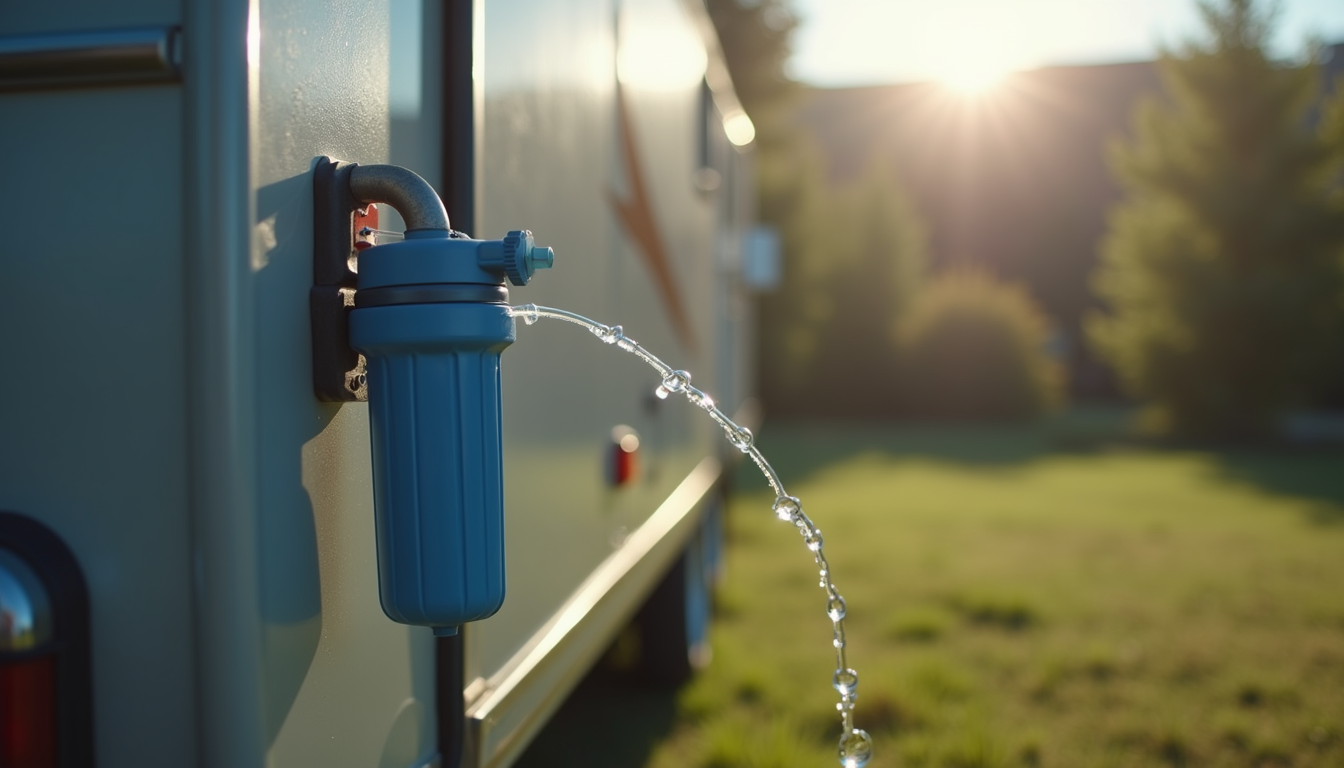
Close-up view of an RV water filter attached to a hose, showing the clear housing and filter cartridge.
Choosing the Right RV Water Filters for Your Adventure
When it comes to selecting rv water filters, there are several types and features to consider. The right choice depends on your travel style, water sources, and how much filtration you want.
Types of RV Water Filters
Inline Filters
These attach directly to your water hose and filter water as it flows into your RV. They’re easy to install and great for filtering out sediment and chlorine.
Under-Sink Filters
Installed inside your RV, these provide filtered water at a specific faucet. They often use carbon filters to improve taste and remove chemicals.
Whole RV Filtration Systems
These are more comprehensive setups that filter all water entering your RV. They can include multiple stages, such as sediment, carbon, and UV filters.
Portable Water Filters
Perfect for camping or emergency use, these small devices can filter water from natural sources like lakes or rivers.
What to Look For
Micron Rating: This tells you the size of particles the filter can remove. Smaller micron ratings mean finer filtration.
Filter Life: How long the filter lasts before needing replacement.
Flow Rate: How quickly water passes through the filter.
Ease of Installation: Some filters require tools, others snap on easily.
Certification: Look for filters certified by organizations like NSF for safety and effectiveness.
By matching these features to your needs, you can find a filter that keeps your water clean without slowing down your adventures.
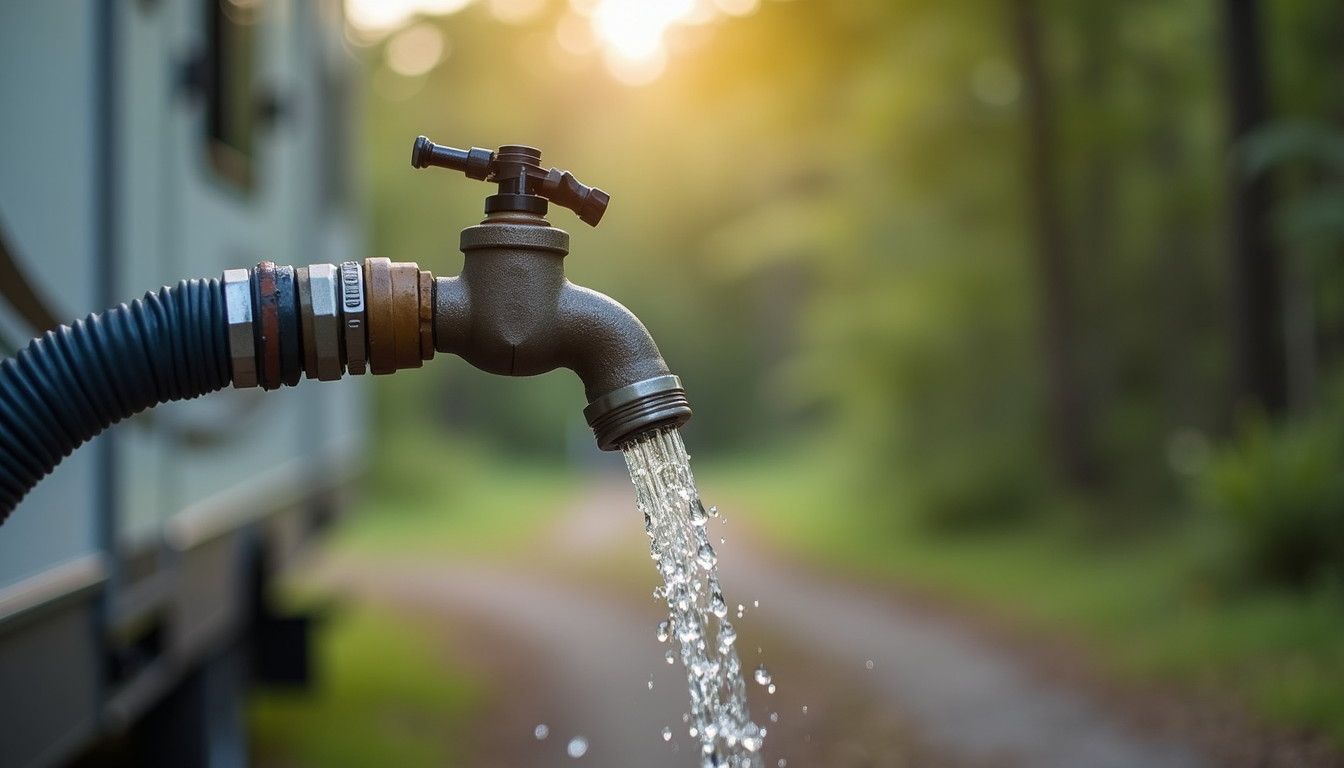
Eye-level view of an RV water hose connected to a campground water supply faucet.
What is better, 1 micron or 5 micron?
One of the most common questions I get is about micron ratings. Should you choose a 1 micron filter or a 5 micron filter? The answer depends on what you want to remove from your water.
1 Micron Filters
These filters catch very small particles, including some bacteria and cysts. They provide a higher level of filtration, which is great if you’re concerned about water quality or using natural water sources.
5 Micron Filters
These are better for removing larger particles like sand, rust, and sediment. They allow water to flow faster and usually last longer before clogging.
Which Should You Choose?
If you’re mostly using water from RV parks or municipal sources, a 5 micron filter is often sufficient. It removes sediment and improves taste without slowing your water flow too much.
If you’re camping off-grid or want extra protection, a 1 micron filter offers more thorough filtration. Just keep in mind it may need more frequent changes and can reduce water pressure slightly.
Sometimes, the best solution is a multi-stage system that uses a 5 micron filter first, followed by a 1 micron filter or carbon filter for taste and chemical removal. This layered approach gives you the best of both worlds.
Maintaining Your RV Water Filters for Long-Term Use
Installing a filter is just the beginning. To keep your water tasting fresh and your system working well, regular maintenance is key.
Tips for Filter Care
Replace filters on schedule: Most filters last between 3 to 6 months, depending on use and water quality.
Flush the system: After installing a new filter, run water through it for a few minutes to clear out any loose carbon or debris.
Check for leaks: Inspect connections regularly to avoid water damage.
Winterize your system: If you’re storing your RV in cold weather, drain and protect your filters to prevent freezing.
Clean filter housings: When changing filters, wipe down the housing to remove buildup.
By staying on top of maintenance, you’ll enjoy clean water and avoid costly repairs.
Enhancing Your Stay with Clean Water and Cozy Comforts
Clean water is just one part of a relaxing RV or cabin experience. At Cozy Hill, we understand how important it is to feel comfortable and cared for during your stay. That’s why we offer not only quality rentals but also extras like fragrance packages and personalized services to make your time in nature truly special.
Imagine stepping into your cabin after a day of hiking, greeted by the fresh scent of lavender or pine. Or enjoying a hot shower with water you trust, knowing it’s been filtered for your health and comfort. These little touches make a big difference.
If you’re planning a trip, consider how investing in a good water filtration system or choosing a rental that provides one can elevate your experience. Clean, fresh water is a simple luxury that enhances every moment.
For more information on reliable rv filtration systems, check out our recommended products and services designed to keep your water pure and your stay cozy.
I hope this guide helps you feel confident about choosing and maintaining your RV water filters. Clean water is the foundation of a great adventure, and with the right system, you can relax and enjoy nature without a worry. Here’s to many happy miles and refreshing sips on the road!