When you hit the road in your RV, nothing beats the feeling of fresh air, open skies, and the freedom to explore. But one thing you don’t want to compromise on is the quality of your water. Clean water is essential for drinking, cooking, and washing, and that’s where RV water filters come into play. They protect you from contaminants and give you peace of mind, so you can relax and enjoy your adventure.
In this post, I’ll walk you through everything you need to know about RV water filters. From how they work to choosing the right micron size, I’ll share practical tips and insights to help you make the best choice for your travels.
Why RV Water Filters Matter
Water quality varies widely depending on where you park your RV. Some campgrounds have excellent water sources, while others might have water that tastes off or contains impurities. Without proper filtration, you risk exposure to sediments, chlorine, bacteria, and other unwanted substances.
Using an RV water filter helps:
Improve taste and odor by removing chlorine and other chemicals.
Protect your plumbing and appliances from sediment buildup.
Reduce health risks by filtering out harmful bacteria and cysts.
Extend the life of your water system by preventing clogs and corrosion.
Imagine filling your glass with crystal-clear water that tastes fresh and clean, no matter where you are. That’s the kind of comfort a good filter provides.
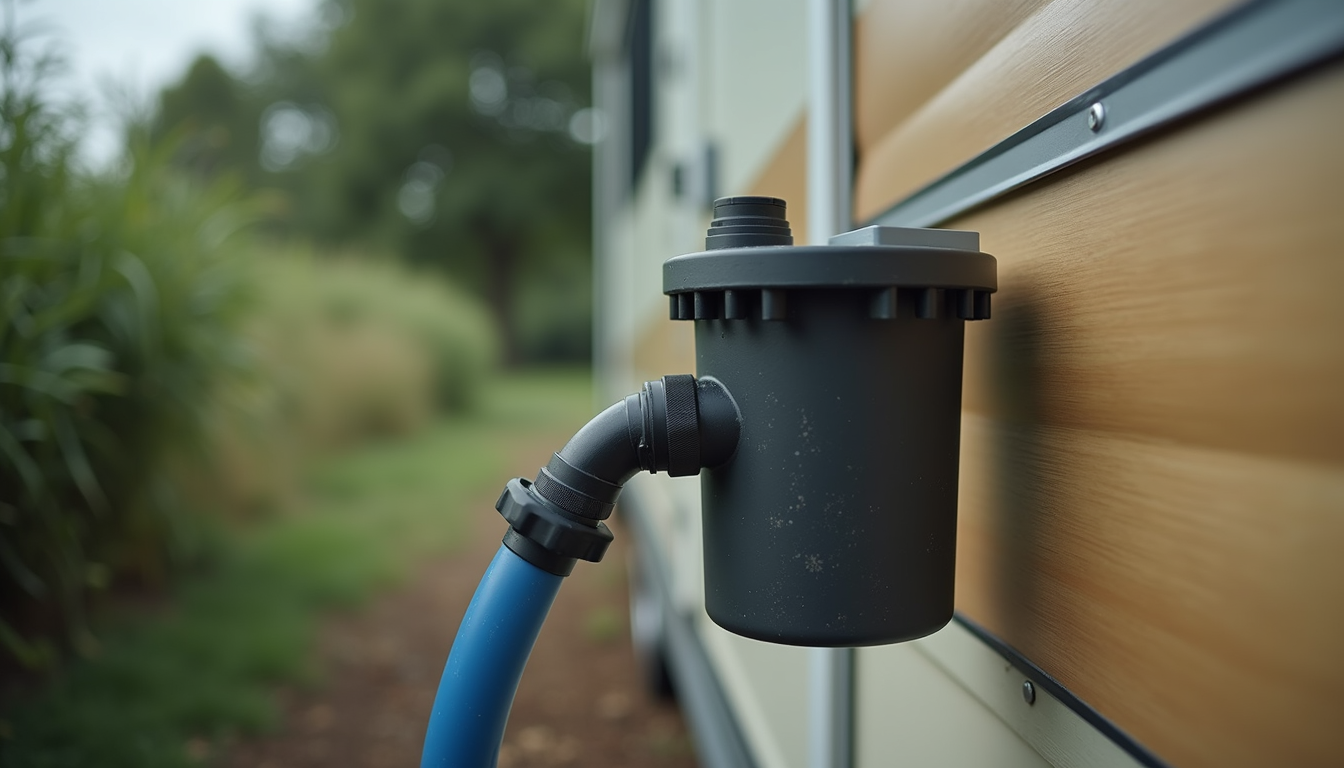
Choosing the Right RV Water Filters
There are several types of RV water filters, each designed to tackle different contaminants. Here’s a quick overview of the most common options:
Sediment Filters
These filters remove dirt, sand, rust, and other particles that can cloud your water. They usually have a micron rating that tells you the size of particles they can trap.
Carbon Filters
Carbon filters are great for improving taste and odor. They absorb chlorine, pesticides, and some organic compounds, making your water more pleasant to drink.
UV Filters
Ultraviolet filters use light to kill bacteria and viruses. They don’t remove particles but are excellent for sanitizing water.
Reverse Osmosis Systems
These are more advanced and remove a wide range of contaminants, including heavy metals and salts. They are bulkier and more expensive but offer the highest level of purification.
When selecting your filter, consider your typical water sources and what contaminants you want to target. For most RVers, a combination of sediment and carbon filters works well.
What is better, 1 micron or 5 micron?
One of the most common questions I get is about micron ratings. The micron size indicates the smallest particle the filter can remove. So, what’s better for your RV water filter - 1 micron or 5 micron?
1 Micron Filters
These filters trap very fine particles, including some bacteria and cysts. They provide a higher level of filtration but may clog faster and reduce water flow.
5 Micron Filters
These catch larger particles like sand and rust but allow smaller particles to pass through. They tend to last longer and maintain better water pressure.
If you want the cleanest water possible and don’t mind changing filters more often, go for 1 micron. If you prefer longer filter life and better flow, 5 micron is a solid choice. Many RVers use a 5-micron sediment filter followed by a carbon filter for balanced protection.
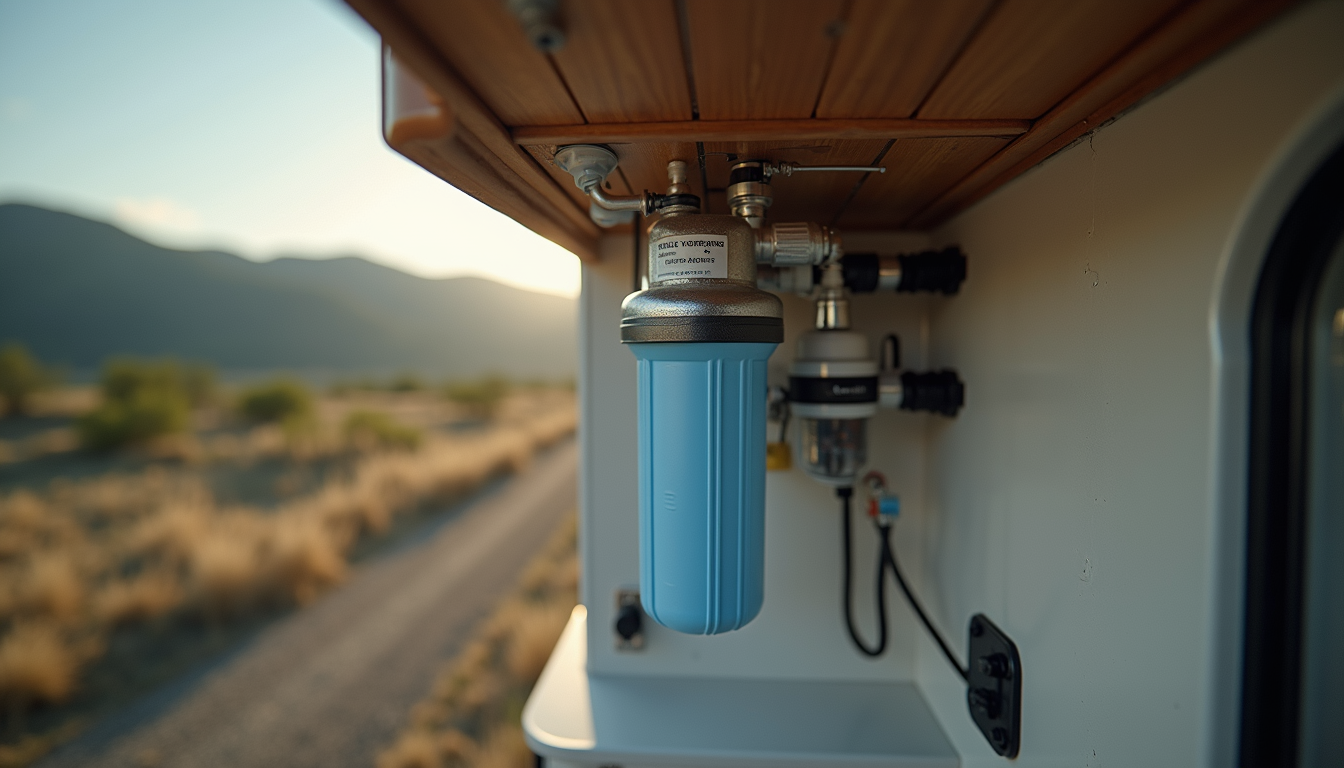
Installing and Maintaining Your RV Water Filter
Installing an RV water filter is usually straightforward. Most filters connect directly to your water hose or inline with your RV’s plumbing. Here are some tips to keep in mind:
Read the instructions carefully to ensure proper installation.
Use Teflon tape on threaded connections to prevent leaks.
Position the filter where it’s easy to access for maintenance.
Flush the filter before first use to clear out any loose carbon dust or debris.
Maintenance is key to keeping your water clean and your system working well:
Replace filters according to the manufacturer’s recommendations, usually every 3-6 months or after filtering 1,000 gallons.
Check for leaks or cracks regularly.
If you notice a drop in water pressure or a change in taste, it might be time to change the filter.
By staying on top of maintenance, you’ll enjoy fresh water and avoid costly repairs.
Enhancing Your RV Experience with Clean Water
Clean water is more than just a necessity - it’s part of the comfort that makes your RV feel like home. When you have reliable filtration, you can:
Brew a perfect cup of coffee with pure-tasting water.
Wash dishes without worrying about residue or odors.
Take refreshing showers that feel clean and soothing.
Keep your pets happy and hydrated with safe water.
At Cozy Hill, we want your stay to be as relaxing and enjoyable as possible. That’s why we offer not only comfortable cabins and RV park spots but also a fragrance package and other services to enhance your experience. Pairing these with clean, filtered water creates a welcoming atmosphere that invites you to unwind and savor nature.
If you’re interested in learning more about rv filtration systems, feel free to reach out. We’re here to help you make the most of your time on the road.
Taking the Next Step Toward Better Water
Choosing the right RV water filter is a simple step that makes a big difference. Whether you’re planning a weekend getaway or a long-term stay, clean water adds comfort and peace of mind. Remember to:
Assess your water sources and needs.
Pick filters that match your lifestyle and travel habits.
Maintain your system regularly for the best results.
With the right setup, you’ll enjoy every sip and splash, knowing your water is safe and fresh. So pack your bags, fill your tank, and get ready to explore with confidence. Clean water is just one of the many ways to make your RV adventure truly special.